

Squint Evaluation
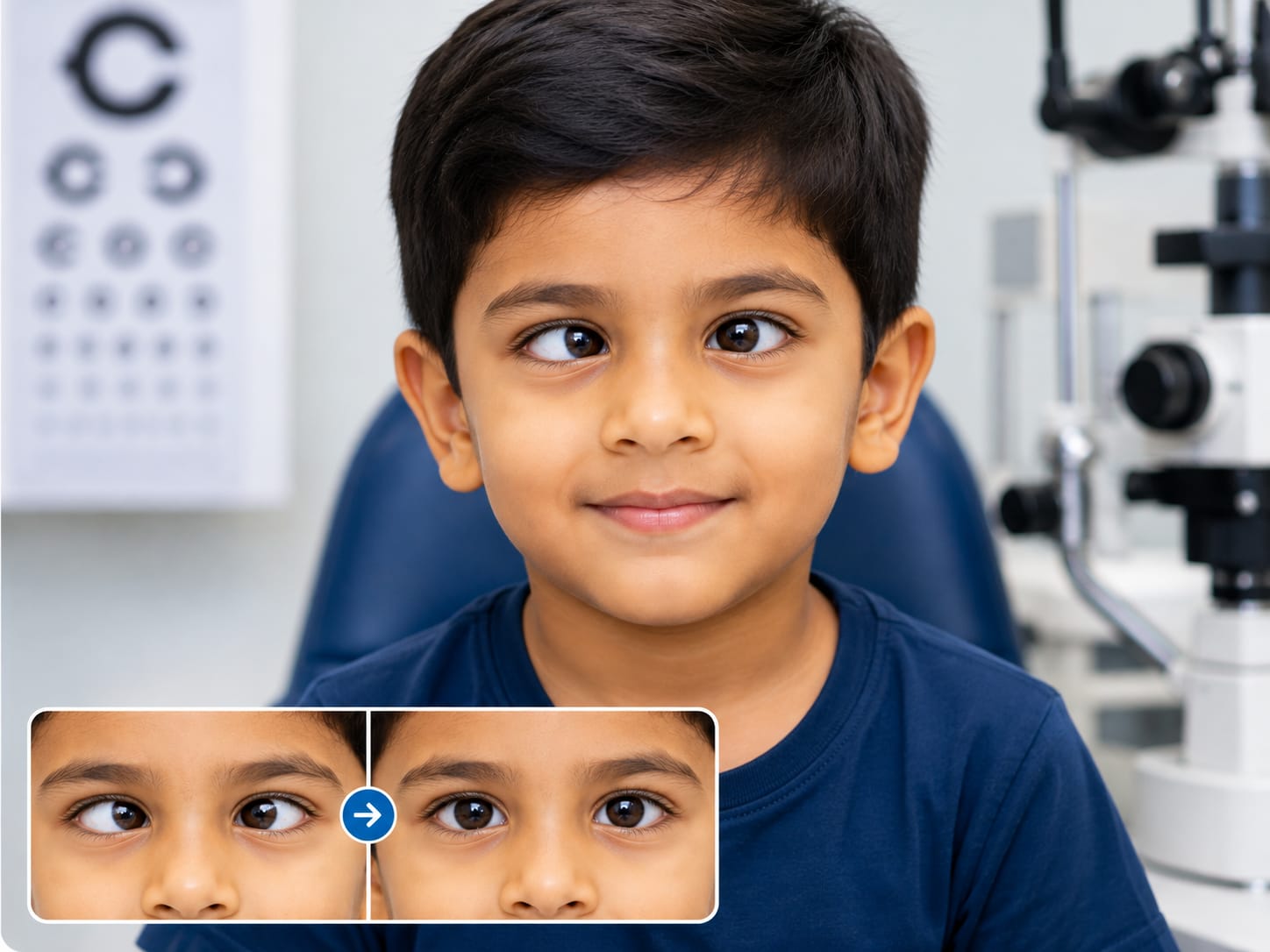
A squint (strabismus) is a misalignment of the eyes—inward, outward, upward or downward—that affects a meaningful proportion of children and can also appear in adults. Left unmanaged in childhood, it can affect vision, depth perception and confidence, since the brain may suppress the misaligned eye's image and cause amblyopia. When a squint appears suddenly in an adult, it is evaluated carefully, as it can occasionally signal an underlying neurological cause. Evaluation is the first step in managing it well.
What this includes
Our approach to squint evaluation
- Cover test and prism assessment to quantify deviation
- Assessment for associated lazy eye (amblyopia)
- Refraction, since glasses alone sometimes correct a squint
- Screening for an underlying cause in adult-onset cases
- Discussion of exercises, glasses or surgical referral
What to expect at your visit
- A detailed alignment and movement assessment
- Findings explained for both children and adults
- A staged, realistic plan for follow-up
This information is for general guidance only and is not medical advice. Care is always planned after an in-person clinical evaluation.
Related care
Other services you may need
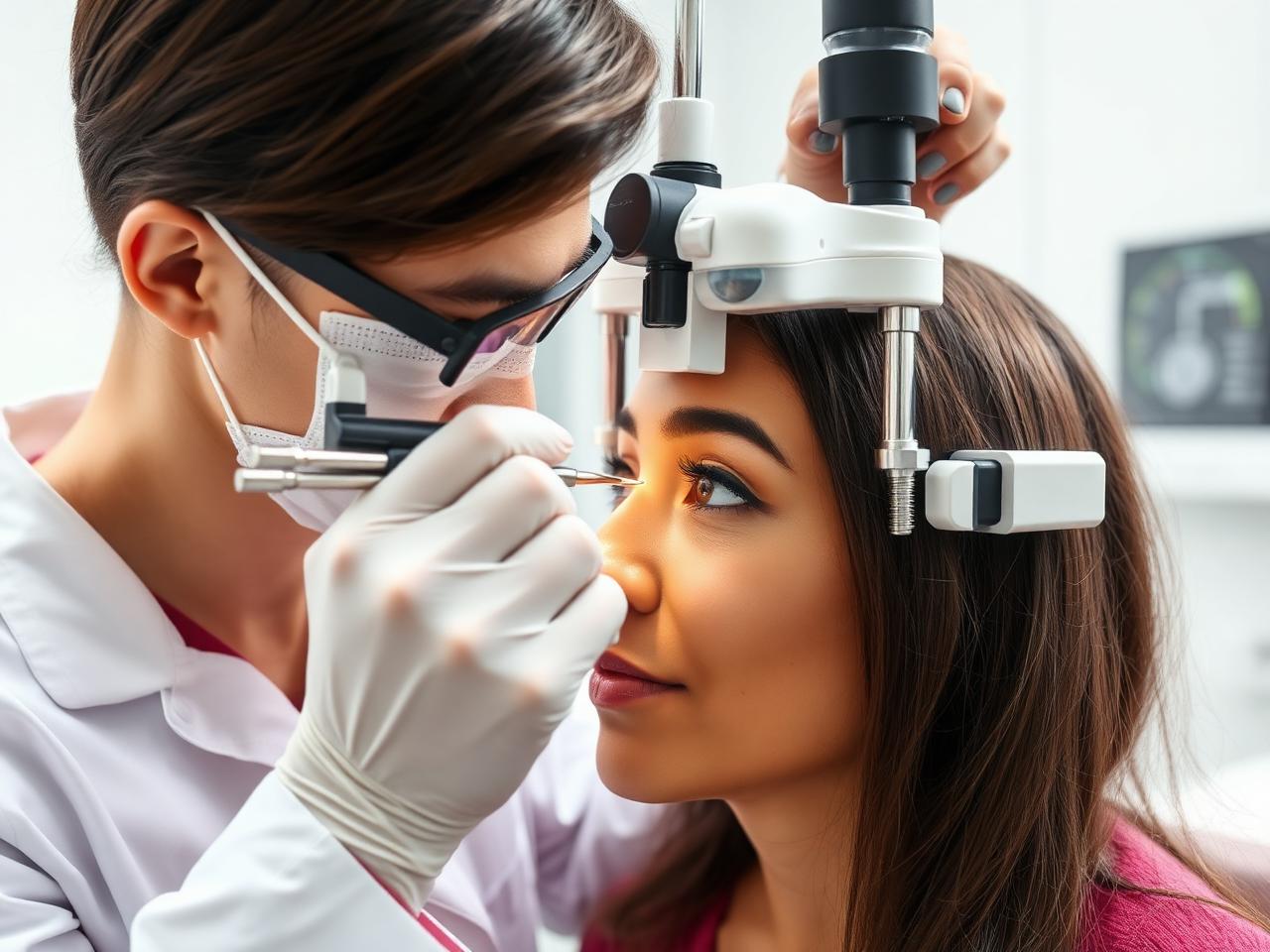
Ocular Surface Procedures
Focused care for conditions affecting the eye's surface, guided by a careful clinical evaluation.
Learn More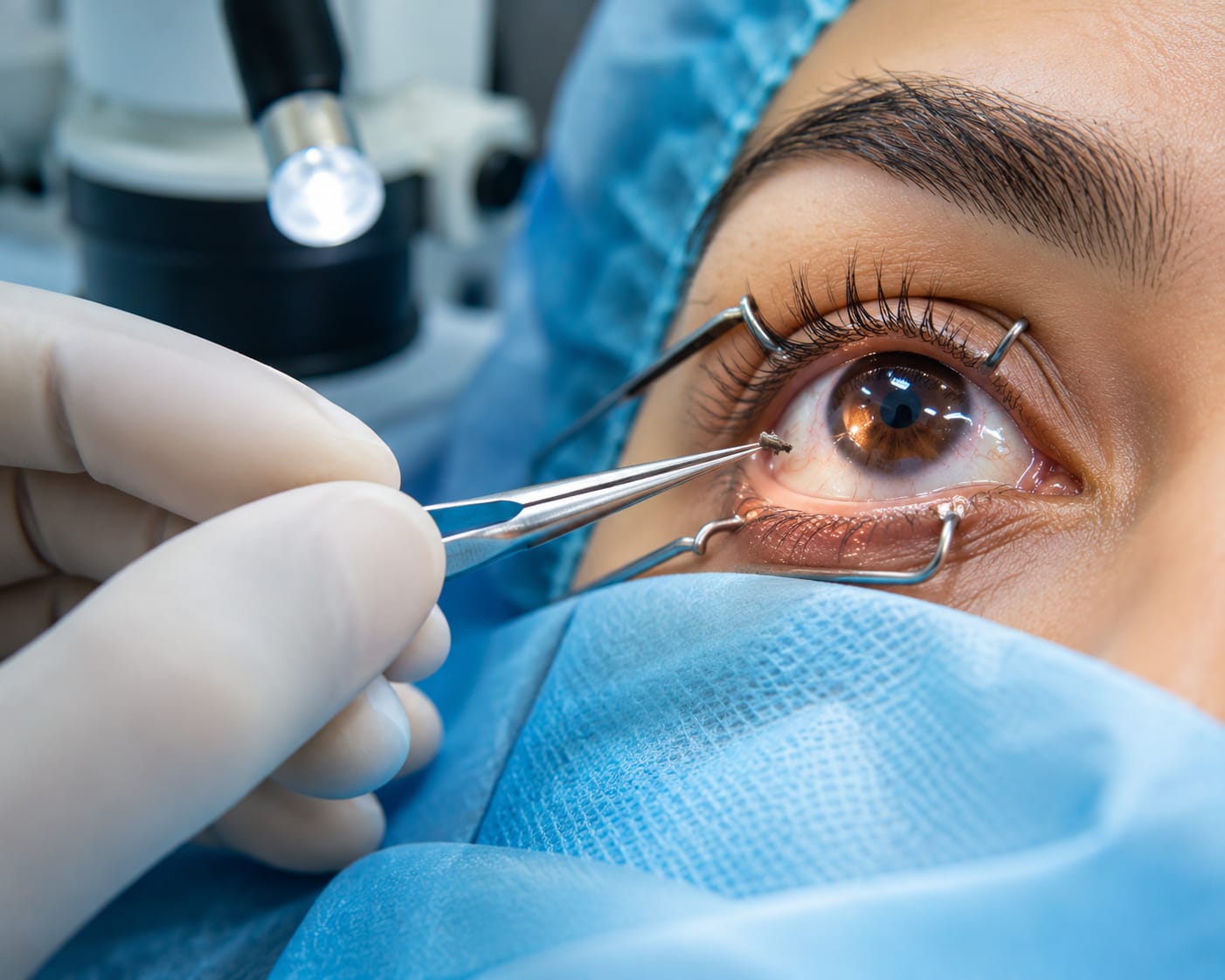
Foreign Bodies Removal
Prompt professional assessment and removal of particles affecting the eye.
Learn More
Cataract Evaluation
A complete assessment to understand cataracts and discuss suitable care options.
Learn MoreReady to care for your vision?
Speak with our eye-care team in Yelahanka or visit us during clinic hours.